In the second half of the 19th century, farming in the Black Sea steppe was risky because of frequent devastating droughts and pest invasions. It became clear that progress was possible only through the development of research in this field. The idea of creating an Experimental Field in Odesa was first voiced by the Free Economic Society.
The Experimental Field began operating in 1895. For 23 years (1895–1917) its director was Volodymyr Hryhorovych Rotmistrov, later a professor and academician.
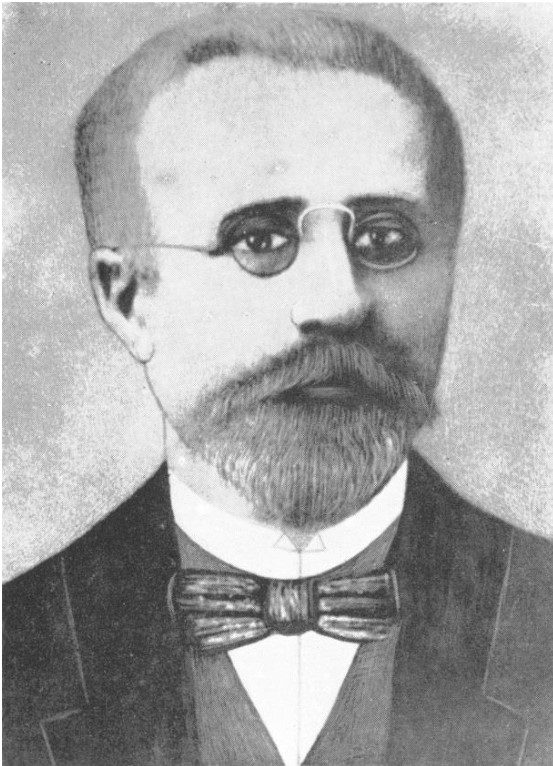
On 8 March 1912 the committee managing the Experimental Field decided to organise a plant-breeding department at the institution. The new unit was headed by Andriy Opanasovych Sapiehin, an associate professor of Novorossiysk University, later an academician and vice-president of the Academy of Sciences of the Ukrainian SSR.
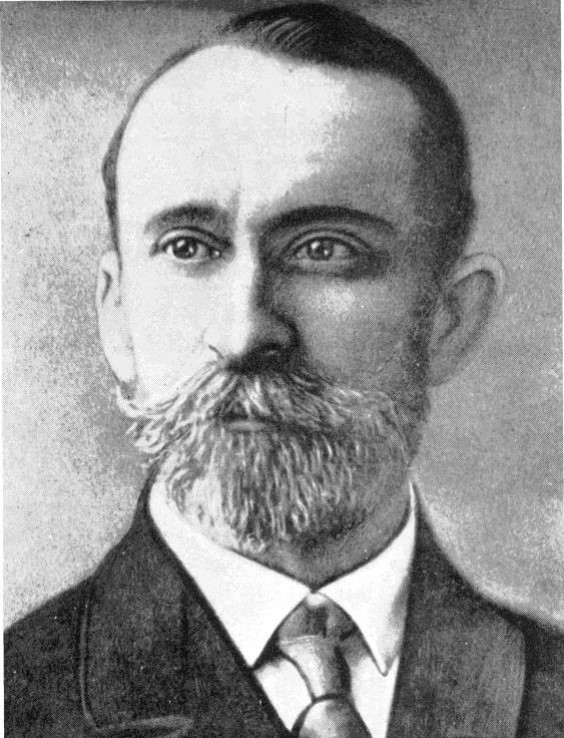
At first the work focused mainly on breeding winter and spring wheat. The main method was individual selection from local varieties.
In the spring of 1918, the Odesa Breeding Station was created on the basis of the Experimental Field's breeding department and the Forage-Crops Nursery that had existed in 1916–1918.
In January 1923, after the merger of separate institutions in Odesa, the Regional Agricultural Experimental Station was organised. The Breeding Station joined it as a department.
In 1923 the breeding, chemical and other laboratories were set up; a house for specialists, a vegetation house, sorting facilities and more were built.
In 1925 A. O. Sapiehin secured a state decision to allocate funds to the institution. After that, new buildings and greenhouses were erected, equipment and instruments were purchased abroad, and the staff of scientists and technicians was expanded.
In addition to the earlier breeding of winter and spring wheat, barley and maize, work on sunflower began in 1924, on Sudan grass in 1925, on cotton in 1926, and on peanut in 1927, as well as on vegetable crops. From local winter-wheat landraces — krymkas and banatkas — A. O. Sapiehin bred, through individual selection, the varieties Zemka, Kooperatorka and Stepnyachka.
Together with D. I. Baransky, the spring barley variety Pallidum 32 was created. For their time these were masterpiece varieties.
Kooperatorka proved the most drought-tolerant and high-yielding, and Zemka more lodging-resistant. The sown area of Kooperatorka reached 5 million ha. Spring barley Pallidum 32 occupied several hundred thousand hectares in the south of Ukraine.
In 1928 the relevant departments of the Odesa Regional Experimental Station were reorganised into the Ukrainian Genetics and Breeding Institute (UGBI). Its material and technical facilities could be envied by the best research institutions not only of the Soviet Union but also of the most developed countries.
A. O. Sapiehin left the UGBI at a time when the institute had become well known and authoritative in the country. In 1932 the Ukrainian Genetics Conference was held here. In effect it was a congress attended by all the country's leading geneticists, as well as the renowned American scientist H. Muller.
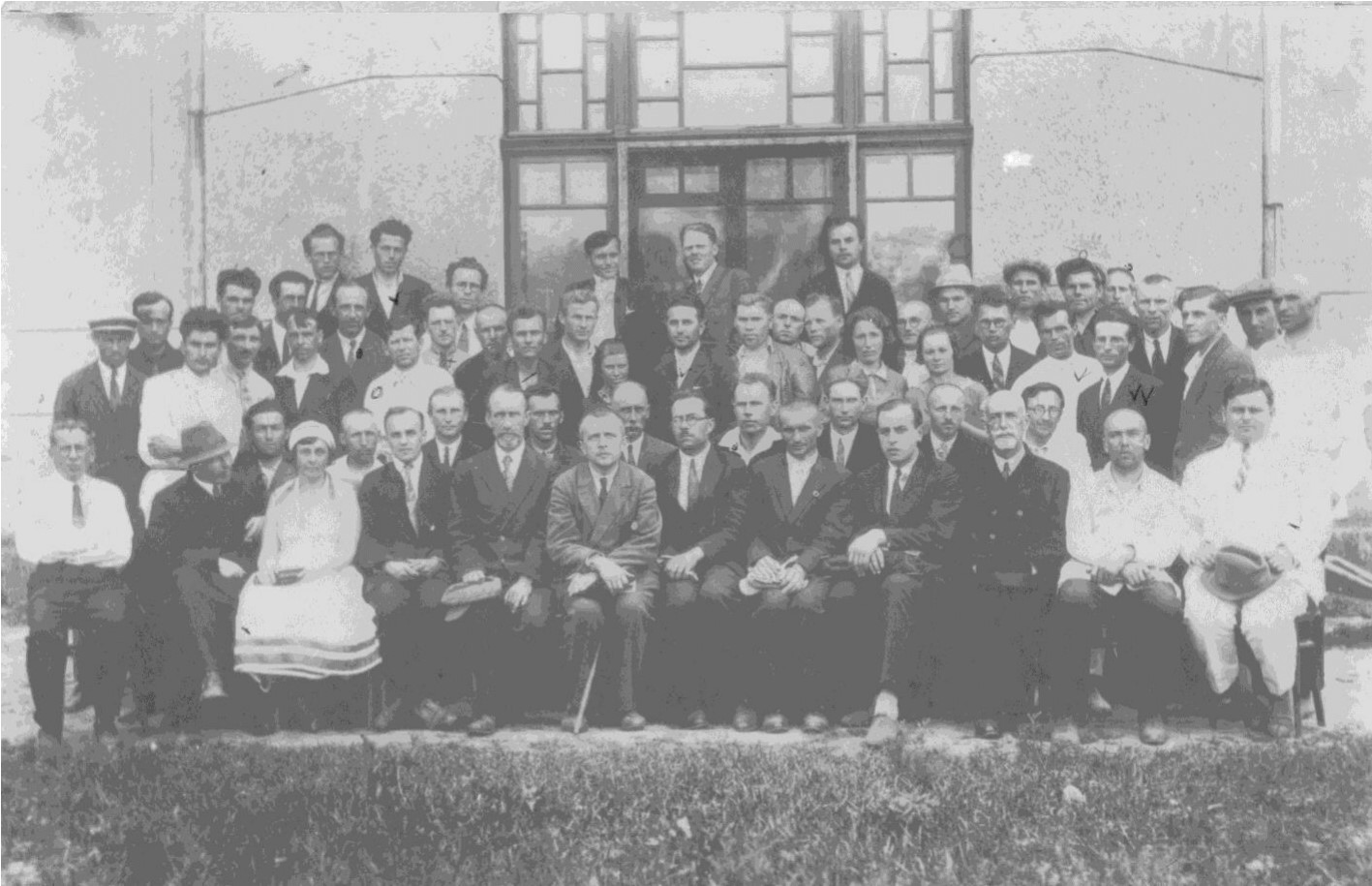
Besides genetics and breeding, the UGBI studied the technological quality of the produce of various crops and varieties, carried out their chemical analysis, dealt with plant protection (entomology and phytopathology), and with the physiology of tolerance to abiotic stresses.
The most outstanding events in the institute's pre-war history were the successes in breeding winter and spring wheat, spring barley, as well as melon, tomato, sorghum-Sudan grass hybrids and some other crops.
In the late 1920s A. O. Sapiehin crossed the best winter-wheat varieties of the time: Kooperatorka × Hostianum 237 and Zemka × Hostianum 237. Further work with the breeding material was carried out by L. P. Maksymchuk, and after his transfer to the Verkhnyatska Breeding Station it was continued by P. Ya. Korobko, D. O. Dolhushyn and F. H. Kyrychenko.
From the first hybrid population, the variety Odeska 3 was created by selection and submitted for state variety testing in 1937, and from the second — Odeska 12, submitted in 1939. In the first post-war years these varieties occupied more than 6 million ha annually in the USSR. Among all winter wheats, Odeska 3 held first place in the world by sown area at that time.
In those same years, spring-barley varieties were also bred — Odeskyi 9 (P. Kh. Harkaviy and L. P. Maksymchuk), submitted for state testing in 1936. Its sown area in the pre-war years reached 235,000 ha. In 1939 the variety Odeskyi 14 (by P. Kh. Harkaviy) was submitted for testing.
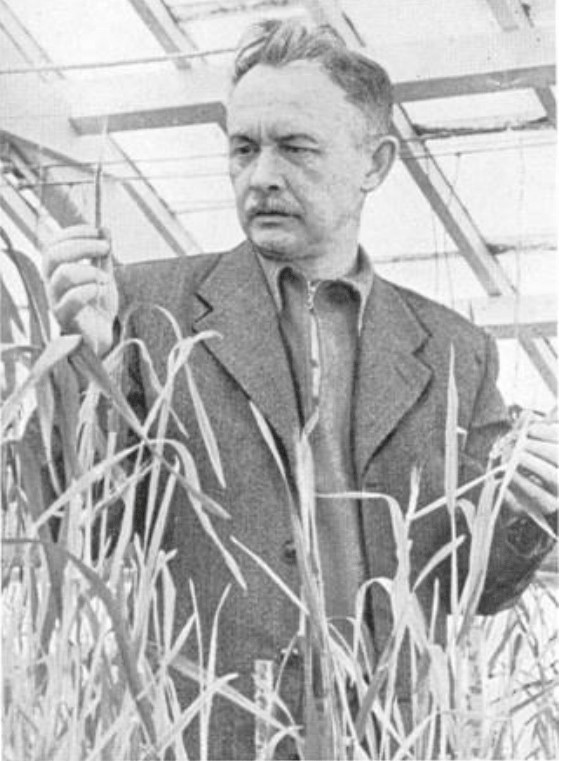
In 1940 O. M. Favorov and S. Y. Vengrenovsky released to production a sorghum-Sudan grass hybrid and Sudan grass Odeska 25, which were grown in 48 regions, territories and republics of the former USSR. Scientists of the grain-legume and forage-grass breeding department bred the alfalfa variety Zaikevycha odeska, the sainfoin Yuzhnoukrainskyi and the Sudan grass Chornomorka.
In 1934 the institute's status was raised and it received a new name — the All-Union Breeding and Genetics Institute (VSGI).
With the outbreak of the war, a significant number of leading scientists and the most valuable breeding material, instruments and documentation were evacuated first to the Stavropol State Breeding Station, and then to the Central Asian branch of the VIR near Tashkent.
After the liberation of Odesa in the spring of 1944, life at the institute began to revive.
F. H. Kyrychenko created the winter bread-wheat variety Odeska 16. As the principal author, the scientist was awarded the State Prize in science and technology and the title of Hero of Socialist Labour. He was elected a full member of the All-Union Academy of Agricultural Sciences.
An important milestone in the institute's work was the creation, by the team led by F. H. Kyrychenko, of a new crop for the first time in the history of agriculture — winter durum wheat.
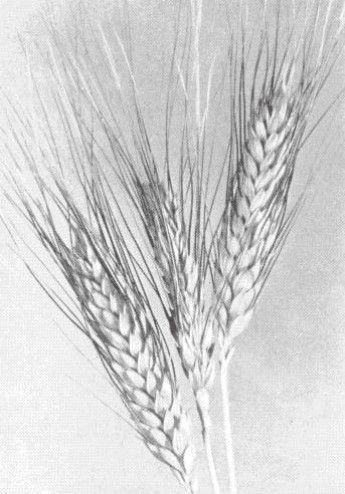
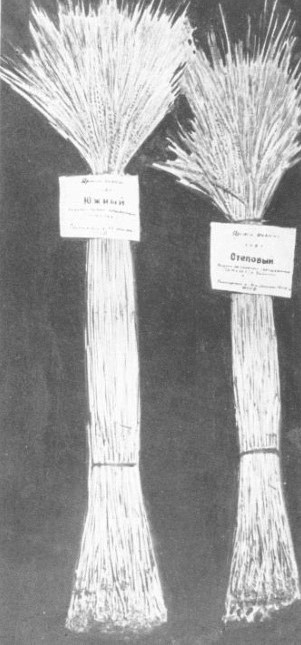
P. Kh. Harkaviy completed the breeding of the notable spring-barley varieties Yuzhnyi and Stepovyi.
In those years, work unfolded whose consequences later changed the structure of grain sowings in the south, when the programme to create winter barley was successfully completed. For the first time in the region's farming history this crop appeared — before P. Kh. Harkaviy's work, winter barley was not sown here because of poor winter hardiness. The two-handed variety Odeskyi 17 was the first to withstand overwintering conditions in the south of Ukraine.
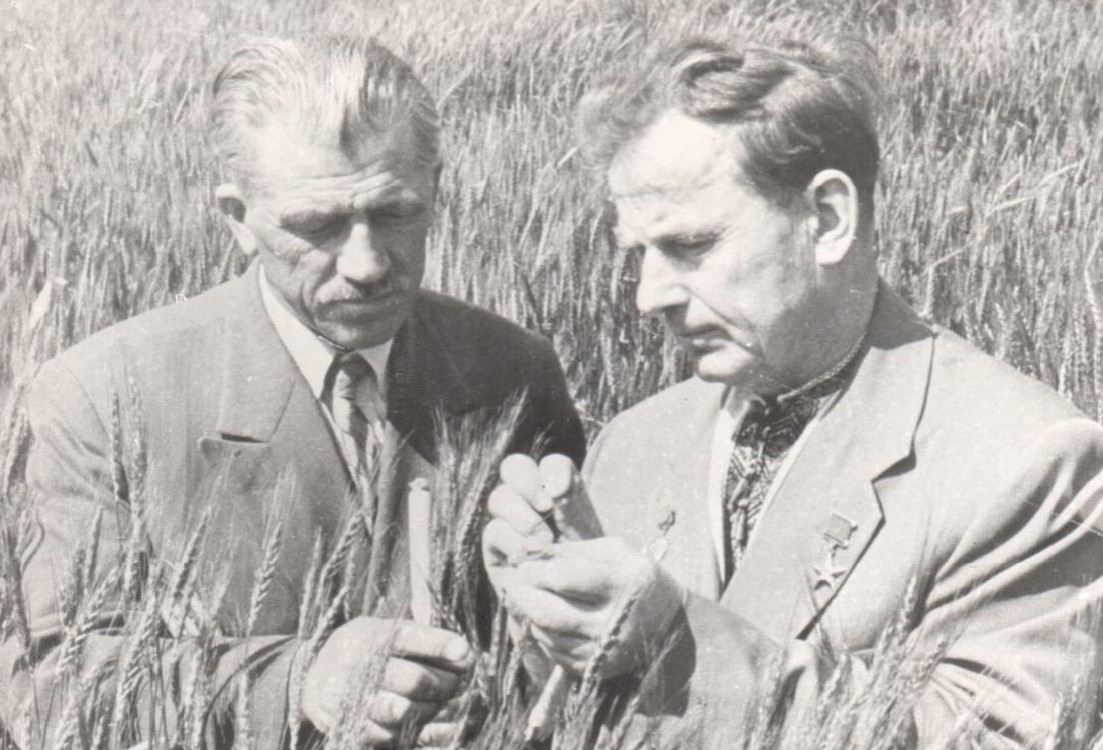
Later P. Kh. Harkaviy was awarded the Lenin and State Prizes and the title of Hero of Socialist Labour.
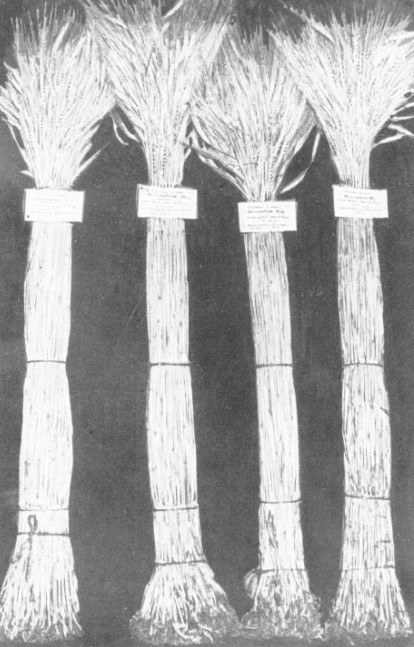
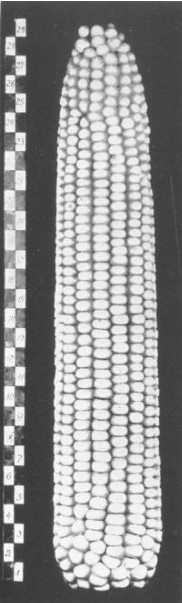
A certain milestone was the maize-breeding research led by O. S. Musiyko, doctor of agricultural sciences, professor, corresponding member, and director of the institute in the 1950s–60s. Together with professor P. F. Klyuchko, the theoretical foundations for increasing this crop's heterosis were laid, and a number of varieties and hybrids were created: Odeska 10, Odeskyi 23, Odeskyi 27 and Odeskyi 50 MV.
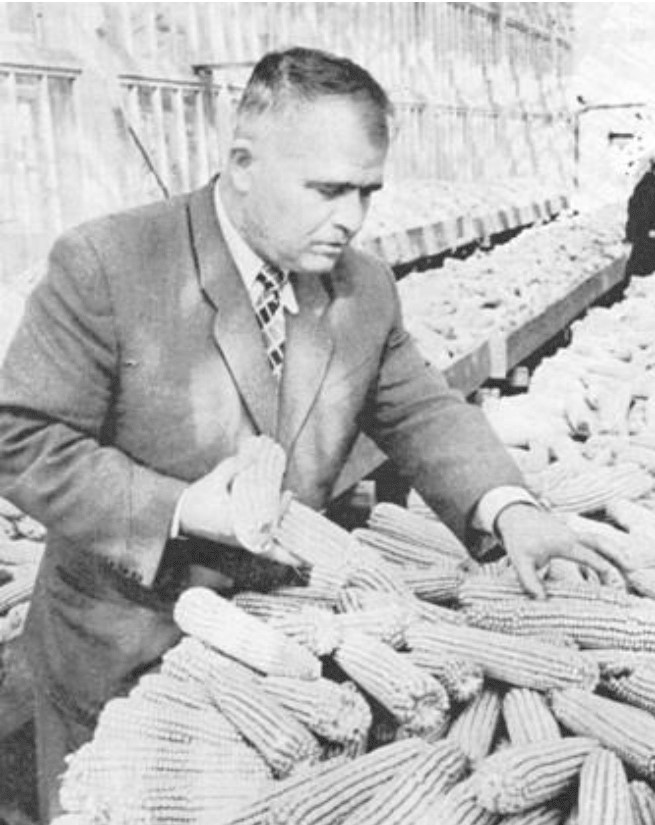
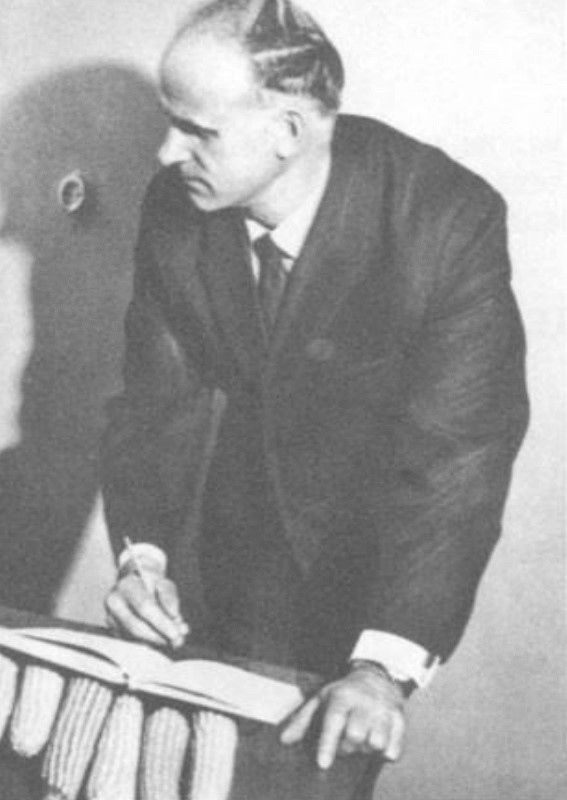
For two decades they were sown annually on 2.5–3.0 million ha. O. S. Musiyko became a laureate of the Lenin and State Prizes.
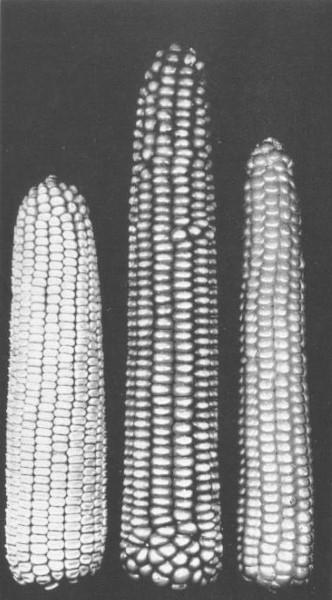
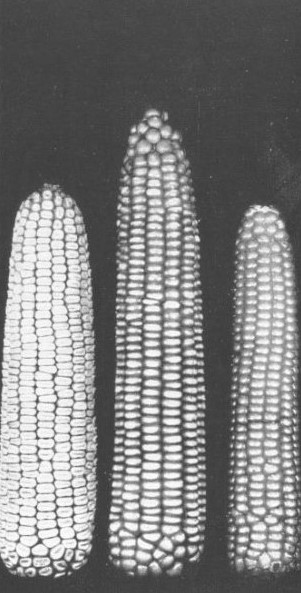
Tomato and melon breeding was successfully conducted by corresponding member of the Academy of Sciences of the Ukrainian SSR, professor O. M. Favorov, and his colleagues L. L. Petrova and D. P. Guryeva. They created the tomato variety Odeskyi 71 and the melon Krymka odeska.
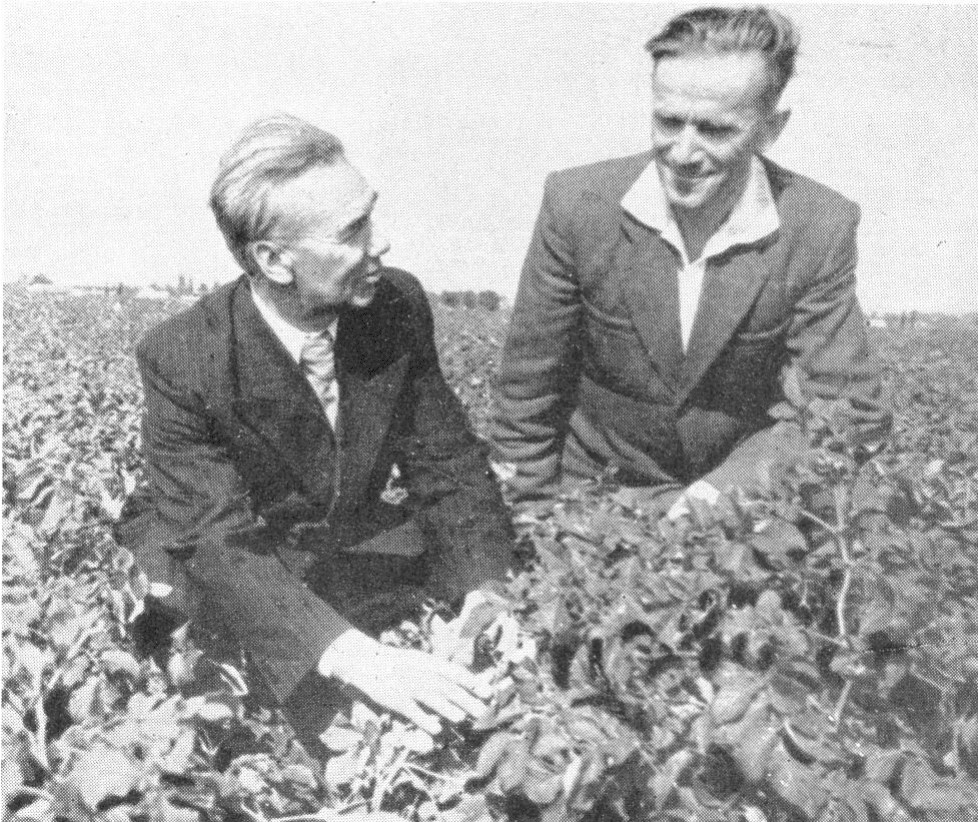
In the potato and vegetable breeding department, the high-yielding and disease-resistant potato variety Odeskyi 24 was bred, released in 1961 (authors: A. F. Kotov and M. F. Sokolenko).
At that time the institute also successfully bred cotton and continued experiments on summer potato planting. However, the volume of purely theoretical research narrowed considerably compared with the pre-war period.
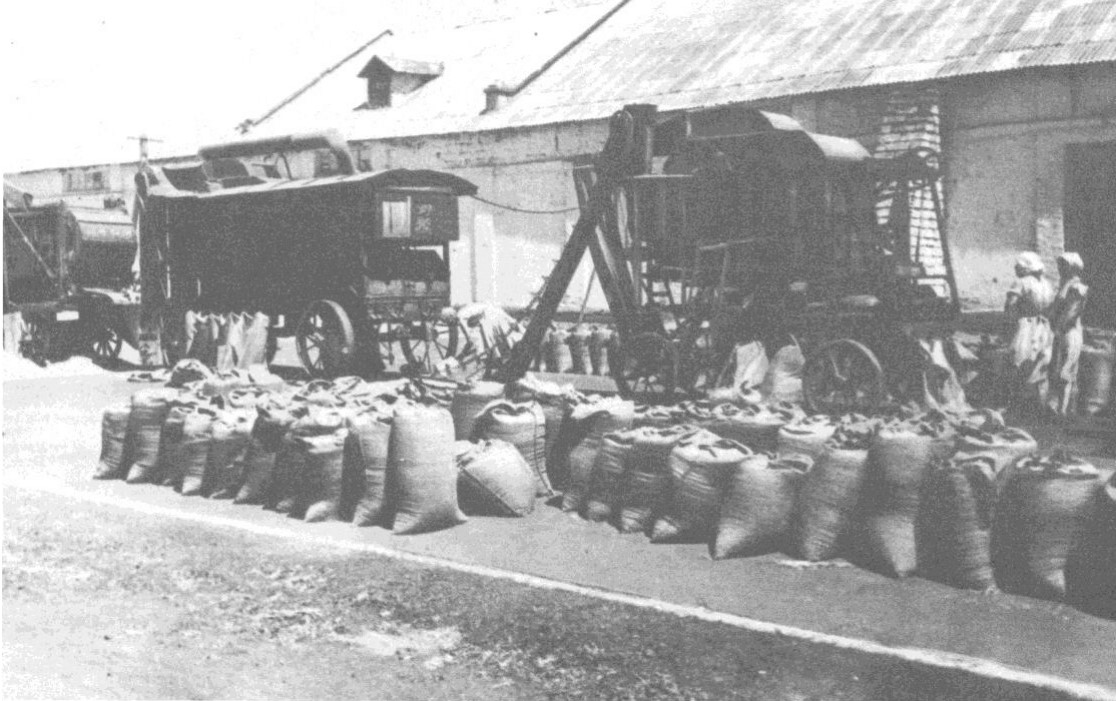
D. O. Dolhushyn, doctor of biological sciences and academician, obtained interesting findings on vernalisation and the photoperiodic sensitivity of winter crops. His winter-wheat variety Odeska 51, released in 1969, held third place by sown area in the former USSR and first in Ukraine for 15 years.
The scientists' successes were reflected in the institute's high state awards — in 1940 it was awarded the Order of the Red Banner of Labour, and in 1962 the Order of Lenin.
In the late 1950s and early 1960s, the postgraduate programme was expanded. Among its graduates who stayed to work at the institute were O. O. Nikiforov, A. F. Herzhov, V. P. Konovalov, L. P. Vasylieva, A. O. Stankevych, S. V. Biryukov, A. V. Abakumenko, Yu. M. Syvolap and others.
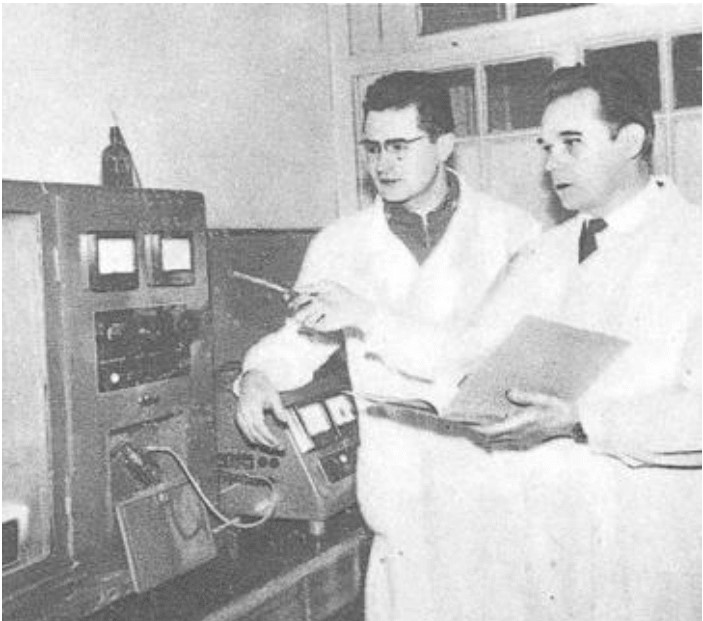
In the same period new research units were created at the institute: the seed-production department and the biochemistry laboratory, which from its founding was headed by A. F. Sysoiev.
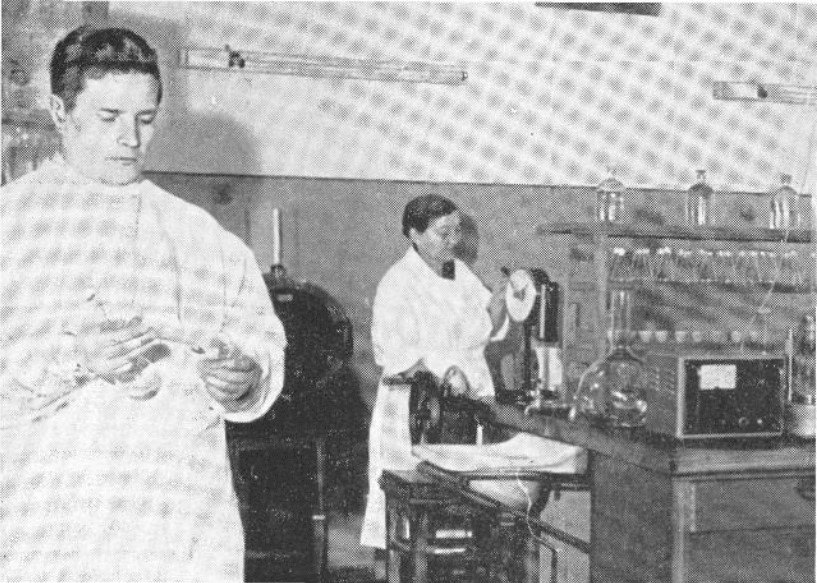
Specialists trained at other research institutes of the country were also invited to work at the institute: sunflower breeder B. K. Pohorletsky; geneticists of the Moldovan school V. K. Symonenko, G. K. Omirova, Yu. G. Sulyma; sunflower breeder D. K. Omirov; G. V. Kostandi and V. S. Vlasenko; M. G. Maksymov; forage-crop breeder M. M. Tereshchenko; plant physiologists V. I. Babenko and V. M. Musich; the couple V. M. and P. M. Pylniev; and Yu. K. Kobeliev with his wife, phytopathologist E. M. Kobelieva.
Significant successes in breeding wheat, barley, maize, perennial grasses and sorghum crops were complemented by new achievements, and the expansion of elite-seed production strengthened the links between science and production.
Theoretical research in genetics, biochemistry, phytopathology, plant physiology, molecular biology and seed science also helped the institute deservedly become the country's leading institution in its field.
The institution's growing authority was well served by the fact that its research units were led by gifted and energetic heads. Recent postgraduates F. O. Poperelia, A. A. Linchevsky, M. A. Lytvynenko, L. T. Babayants, S. V. Biryukov, V. M. Sokolov, A. I. Palamarchuk, V. V. Burlov, V. D. Navolotsky, S. F. Lukyanyuk, S. O. Ihnatova and others quickly became leading scientists and, a little later, heads of research units.
In the early 1970s the post of director was held by O. O. Sozinov, later an academician of several academies. His name is associated with a radical restructuring of research topics and personnel renewal at the institute.
After a change of leadership, following O. O. Sozinov's move to the All-Union Academy, the post of director was held by L. K. Sechnyak and S. V. Biryukov.
From the early 1990s the institute, like all agricultural science in the country, gradually moved to market relations. V. M. Sokolov became director, already experienced as head of a large research unit — the maize breeding and seed-production department. Research activity intensified and topics were brought closer to the needs of agricultural production, while forward-looking work also developed: in molecular genetics, grain quality, breeding varieties with new product characteristics, tolerance to environmental stresses, cultivation technology, and so on.
Throughout its history, several generations of scientists worked at the institute, each leaving a lasting mark on science. No less a merit of the older generation was that they trained worthy successors. Here is the relay of generations of wheat breeders: A. O. Sapiehin, L. P. Maksymchuk, F. H. Kyrychenko, M. A. Lytvynenko and A. I. Palamarchuk.
The continuer of these traditions was academician M. A. Lytvynenko, who developed a new breeding direction — creating intensive-type winter bread-wheat varieties of universal use. His achievements were recognised with the State Prize of Ukraine in science and technology (1997).
In late 1966 a laboratory for the study of heterosis emerged at the institute as an independent unit. Later a new breeding direction was developed here — creating highly intensive wheat varieties. The head of the laboratory, academician S. P. Lyfenko, and leading researcher M. I. Yerynyak were awarded the State Prize of Ukraine in science and technology (1997) for a series of works on wheat breeding.
The successor to F. H. Kyrychenko's work on winter durum-wheat breeding is the laboratory headed by A. I. Palamarchuk.
Until 2021 the barley breeding and seed-production department was headed by academician A. A. Linchevsky, a laureate of the USSR State Prize and a pupil and follower of P. Kh. Harkaviy. The varieties he created came into wide use thanks to their high yield, adaptability, grain quality and processability, and in recent years form the basis of the country's barley-grain production, occupying 60–80 % of the sown area under this crop. The department is now headed by his pupil I. B. Lehkun.
In the department of breeding and seed production of cross-pollinated crops (head — B. F. Varenyk), the concept of adaptive maize breeding has been implemented for about 20 years, taking into account global climate change and the harsh conditions of the southern steppe of Ukraine. Under this programme many hybrids have been created that successfully combine high adaptability, including heat and drought tolerance, with high and stable grain productivity.
The institute's scientists (V. V. Burlov) hold priority in creating Ukraine's first sunflower hybrids, including broomrape-resistant ones. In recent years the department's staff have bred hybrids with both an ordinary fatty-acid composition and an elevated or high oleic-acid content. A new direction is the creation of hybrids resistant to sulfonylurea insurance herbicides.
For many years I. A. Dranenko worked on sorghum at the institute. His work is now continued by V. L. Hamandiy, who together with G. K. Dremlyuk created many valuable varieties and hybrids of grain and sweet sorghum. Today the main research direction is creating sweet-sorghum varieties and hybrids for bioethanol production, including herbicide-resistant ones.
Soybean study began at the institute back in A. O. Sapiehin's time. Matters changed fundamentally after professor V. I. Sichkar joined the institute. Under his leadership, the department of breeding, genetics and seed production of legumes bred a number of valuable varieties of soybean, pea, alfalfa and chickpea. A significant achievement is the creation of high-yielding, large-seeded chickpea varieties with a 1000-seed weight of more than 400 g.
The seed-production department, created in the late 1950s (first head V. M. Nasypayko), deals with obtaining high-yielding seed, growing higher-reproduction seed at the institute's research farms and seed standardisation. For many years the renowned specialist professor M. O. Kindruk worked there; it is now headed by V. V. Vyshnevsky.
The nationally known plant-protection specialist, professor E. E. Heshele, began working under A. O. Sapiehin and belonged to the generation that founded phytopathological science in the country. His pupil L. T. Babayants took over the department from him. The department is now headed by O. A. Vasyliev.
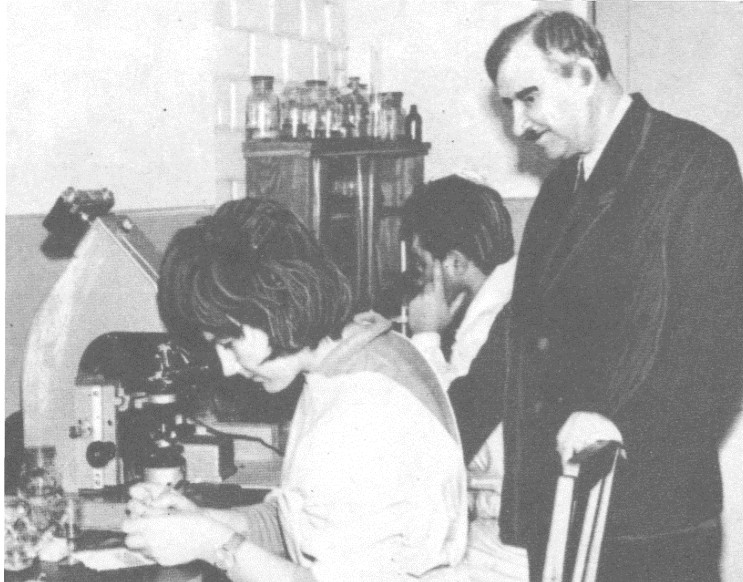
Among the purely theoretical units, an important role belonged to the genetics department. Its work changed fundamentally after the arrival of A. F. Stelmakh, who headed the department for a long time. Today A. F. Stelmakh is a geneticist renowned in the world and in Ukraine, an academician and chief researcher of the department. The department was also headed, and fruitfully worked in, by Yu. G. Sulyma and V. K. Symonenko.
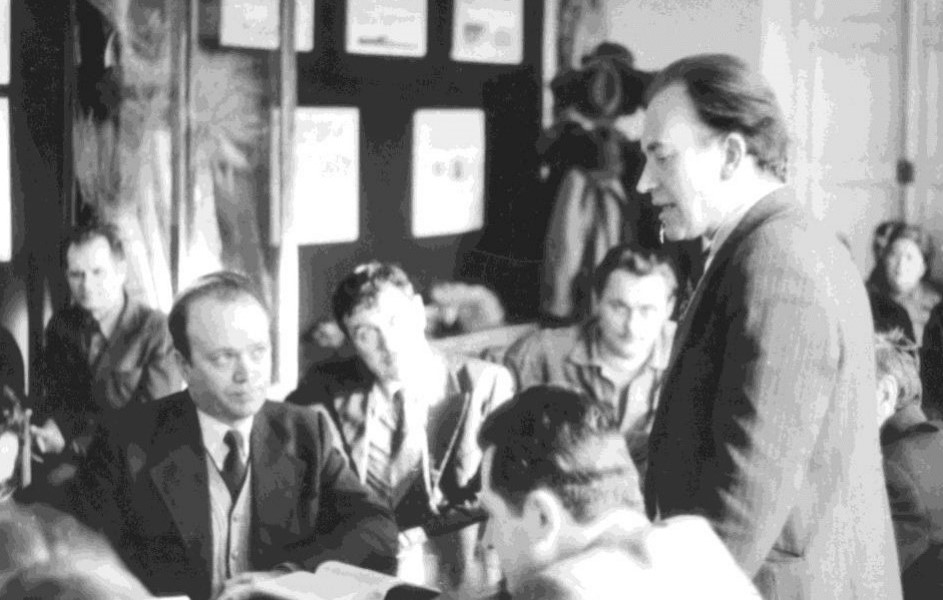
In 1971 a molecular-biology laboratory (later the molecular-genetics department) was created at the institute, headed by Yu. M. Syvolap, later an academician. In July 1999 this department became the basis of a new institution — the Southern Biotechnology Centre in Plant Growing of NAAS. From April 2012 it has been the department of genomics and biotechnology within the institute.
In October 2014, the department of general and molecular genetics was created on the basis of the genetics department and the genomics and biotechnology department. It is headed by A. F. Stelmakh's pupil, corresponding member and deputy director for research V. I. Fayt. The department's main directions are developing DNA-marker systems for identifying and selecting genotypes, studying the molecular-genetic polymorphism of the main crops and the genetic control systems of the adaptive responses of winter wheat and barley (Vrn, Vrd, Ppd, Rht).
The department of the genetic foundations of breeding was created by O. O. Sozinov; the unit was later headed by his pupil Fedir Oleksandrovych Poperelia. Alongside him, O. I. Rybalka (corresponding member, current head of the department), M. G. Parfentiev, O. M. Khokhlov and others worked for many years. Today the department studies the genetics of grain quality and develops source material for breeding varieties of special technological use.
The foundations of the institute's work on culturing isolated tissues and organs in vitro were laid in the 1970s–80s by researchers S. F. Lukyanyuk and S. O. Ihnatova. From anther culture, haploid plants of triticale, wheat, barley and maize were obtained. The tissue-culture laboratory is now headed by I. S. Zambriborshch.
In the early and mid-1960s, a physiology laboratory was created to study plant tolerance to frost, drought and other adverse environmental factors; related units later branched off from it. The physiology laboratory was headed by V. I. Babenko, the yield-formation laboratory by S. V. Biryukov, and the tolerance laboratory successively by Yu. P. Shalin, V. M. Musich and A. K. Lyashok; the department of tolerance to abiotic factors is now headed by P. O. Feoktistov.
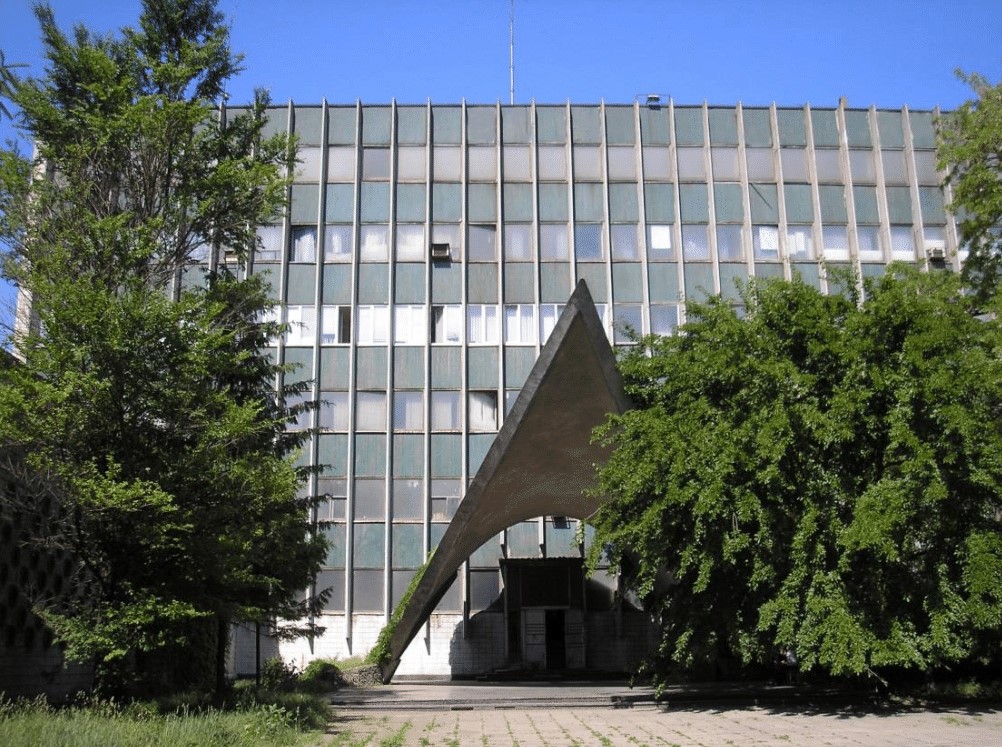
Chemical analysis has always received much attention at the institute. The biochemistry laboratory was formed as a separate unit in 1923. Over the years it was headed by A. F. Sysoiev, M. F. Leus, A. P. Levytsky, S. V. Vovchuk and others. A major contribution to the analytical work belongs to P. M. Pylnieva and V. G. Adamovska. The laboratory is now headed by O. O. Molodchenkova.
For two decades the institute served as the coordination centre of the Council for Mutual Economic Assistance member countries on the theory of breeding, seed production and new methods of variety creation, involving about 80 institutions of these countries. As the South-Western Breeding Centre, the institute coordinated breeding and seed-production work on grain, grain-legume and forage crops in research institutions of the southern regions of Ukraine and in Moldova.
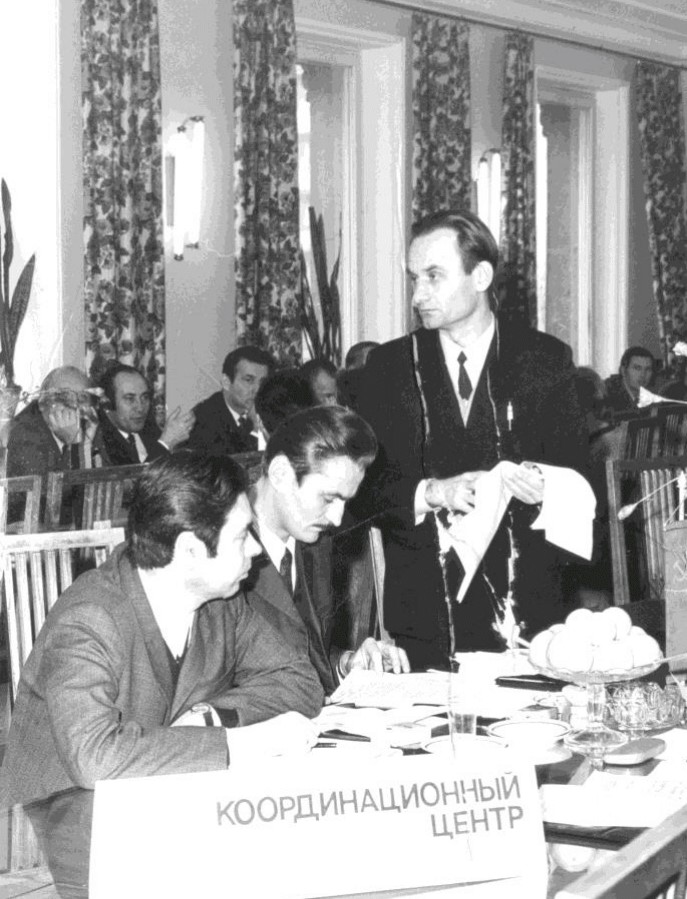
Today, too, the institute is a coordination centre of the National Academy of Agrarian Sciences of Ukraine for the creation of varieties and hybrids of grain, grain-legume and groat crops, the development of their seed-production systems, and the genetics and biotechnology of agricultural plants.
Given the significance of the institute's scientific results as a whole and its place in the country's agricultural science, in 1999 it was granted the status of a National Center.